

Practical Exercises for Perimenopausal Women: Building Strength, Balance, and Ease Through Transition
Perimenopause brings a wave of changes—hormonal fluctuations, shifting energy levels, altered sleep patterns, and new sensations in the body. While these changes can feel disruptive, one of the most effective ways to support yourself during this transition is through intentional, realistic exercise routines.
The right movement practices can steady your mood, improve sleep, support bone density, ease joint stiffness, and boost energy. Best of all, you don’t need a gym membership or complicated equipment. You just need consistency, gentleness, and practices designed for your changing physiology.
Below are practical, doable exercises that perimenopausal women can incorporate into daily or weekly routines.
1. Strength Training to Support Muscle and Bone
As estrogen levels decline, bone density and muscle mass naturally begin to decrease. Strength training becomes one of the most important tools for staying strong, preventing injuries, and keeping metabolism steady.
Do-able strength exercises:
- Bodyweight squats (10–15 reps)
Builds leg strength and supports pelvic stability. - Wall push-ups or counter push-ups (10–12 reps)
Easier on wrists and shoulders while still strengthening the upper body. - Glute bridges (12–15 reps)
Supports lower back and core stability. - Resistance band rows (12 reps)
Great for posture and upper back strength.
Why it helps:
Strength training improves bone density, reduces joint pain, boosts metabolism, and enhances mood—all key during perimenopause.
2. Walking: The Most Underrated Hormone-Balancer
Walking is accessible, low-impact, and incredibly effective for regulating mood, sleep, and weight during perimenopause.
Add walking by:
- Taking a 20–30 minute walk after meals
- Adding one longer weekend walk (45–60 minutes)
- Using walking breaks during the workday
Why it helps:
Walking reduces cortisol, increases circulation, and supports heart health—crucial during hormonal fluctuations.
3. Low-Impact Cardio for Energy and Mood
When your energy varies day to day, having gentle cardio options helps prevent burnout while still getting the endorphin lift.
Options include:
- Cycling on a stationary bike
- Swimming or water aerobics
- Elliptical workouts
- Dance-based cardio (Zumba, step, etc.)
Aim for:
20–30 minutes, 3–4 times per week.
Why it helps:
Low-impact cardio improves stamina while being easy on joints, which may feel more sensitive during perimenopause.
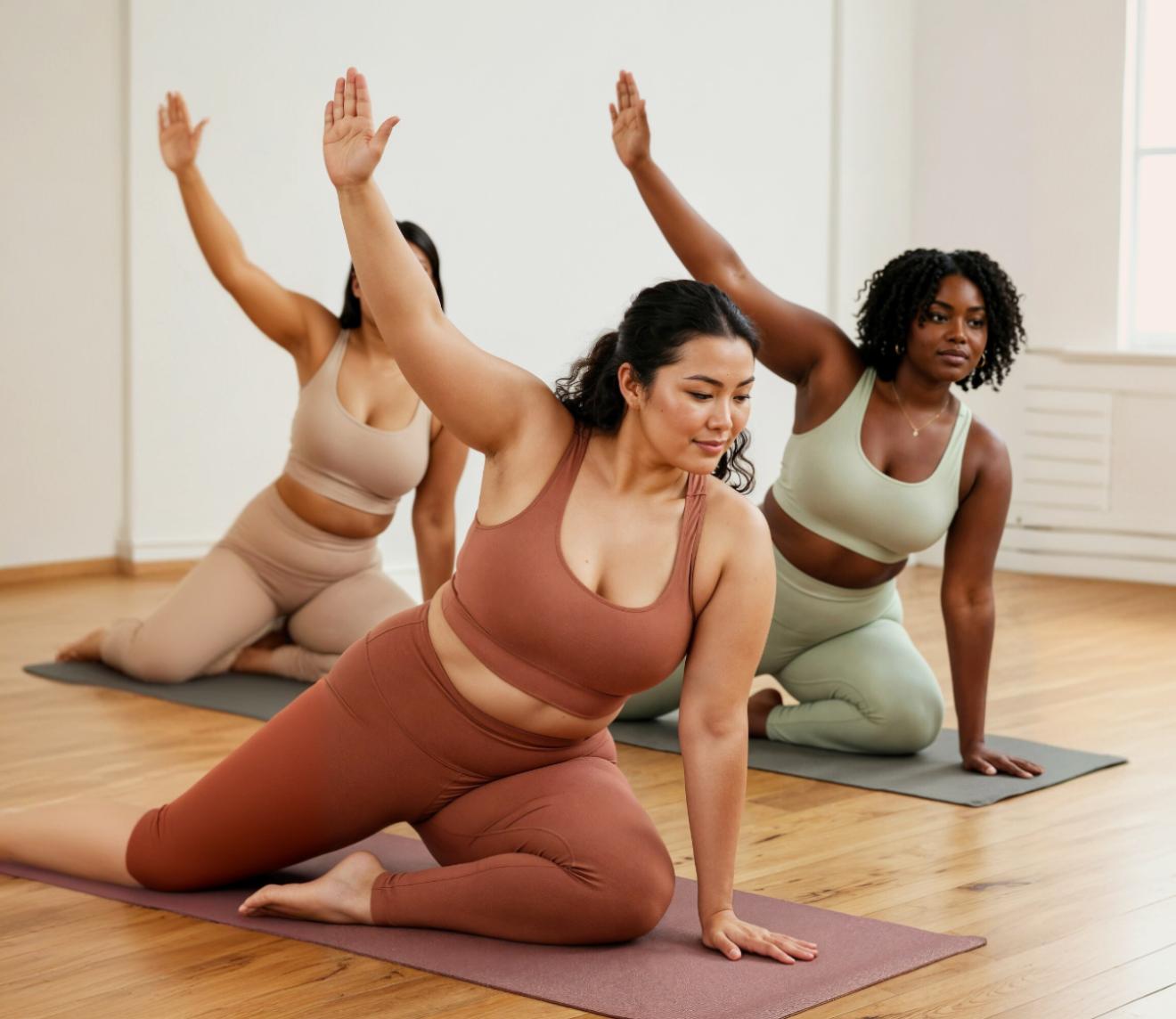
4. Yoga for Stress, Sleep, and Hot Flash Relief
Yoga supports the nervous system, which is often overstimulated during perimenopause. Certain poses help release tension, cool the body, and promote better rest.
Helpful yoga poses:
- Legs-Up-the-Wall
Relieves swollen legs and calms the mind. - Child’s Pose
Restorative and grounding. - Cat-Cow
Loosens spine and reduces stiffness. - Seated Forward Fold
Calms the nervous system and releases tight hamstrings.
Why it helps:
Gentle yoga reduces stress hormones, supports sleep, and keeps the body flexible.
5. Core + Pelvic Floor Work for Stability
Hormonal shifts can affect the pelvic floor, core stability, and abdominal strength.
Try these:
- Bird-Dog (8–10 each side)
- Dead Bug (10–12 reps)
- Standing marches with core engagement
- Pelvic floor muscle lifts (“Kegels,” done gently and mindfully)
Why it helps:
A strong core reduces back pain, improves balance, and supports bladder control.
6. Balance Training to Reduce Fall Risk
Even if you never think about balance, perimenopause is the perfect time to strengthen it. Estrogen affects coordination, and balance exercises reduce the risk of injury as you age.
Simple exercises:
- Stand on one leg for 15–20 seconds
- Heel-to-toe walking in a straight line
- Side leg lifts while holding onto a chair
Why it helps:
Improved balance supports long-term mobility and confidence.
7. Stretching for Mobility and Joint Comfort
Joint stiffness—especially in the hips, shoulders, and hands—is common during perimenopause.
Daily stretches that help:
- Hip flexor stretch
- Chest opener stretch
- Gentle neck rolls
- Calf stretch
Why it helps:
Stretching keeps muscles loose, improves posture, and reduces aches.
Putting It All Together: A Weekly Example Routine
Monday – 20–25 minutes strength training
Tuesday – 30-minute brisk walk
Wednesday – 20 minutes yoga
Thursday – Low-impact cardio (bike, dance, or swim)
Friday – Strength training + balance exercises
Saturday – Long walk or restorative yoga
Sunday – Rest or gentle stretching
Final Thought: Move with Kindness, Not Pressure
Perimenopause is a season of transition, not decline. The goal isn’t perfection—it’s honoring your body’s changes with movement that feels supportive, realistic, and empowering.
When you choose exercises that work with your body, not against it, you’ll navigate perimenopause with more strength, steadiness, and self-compassion.